The Role of Fuel Cards in Fleet Management
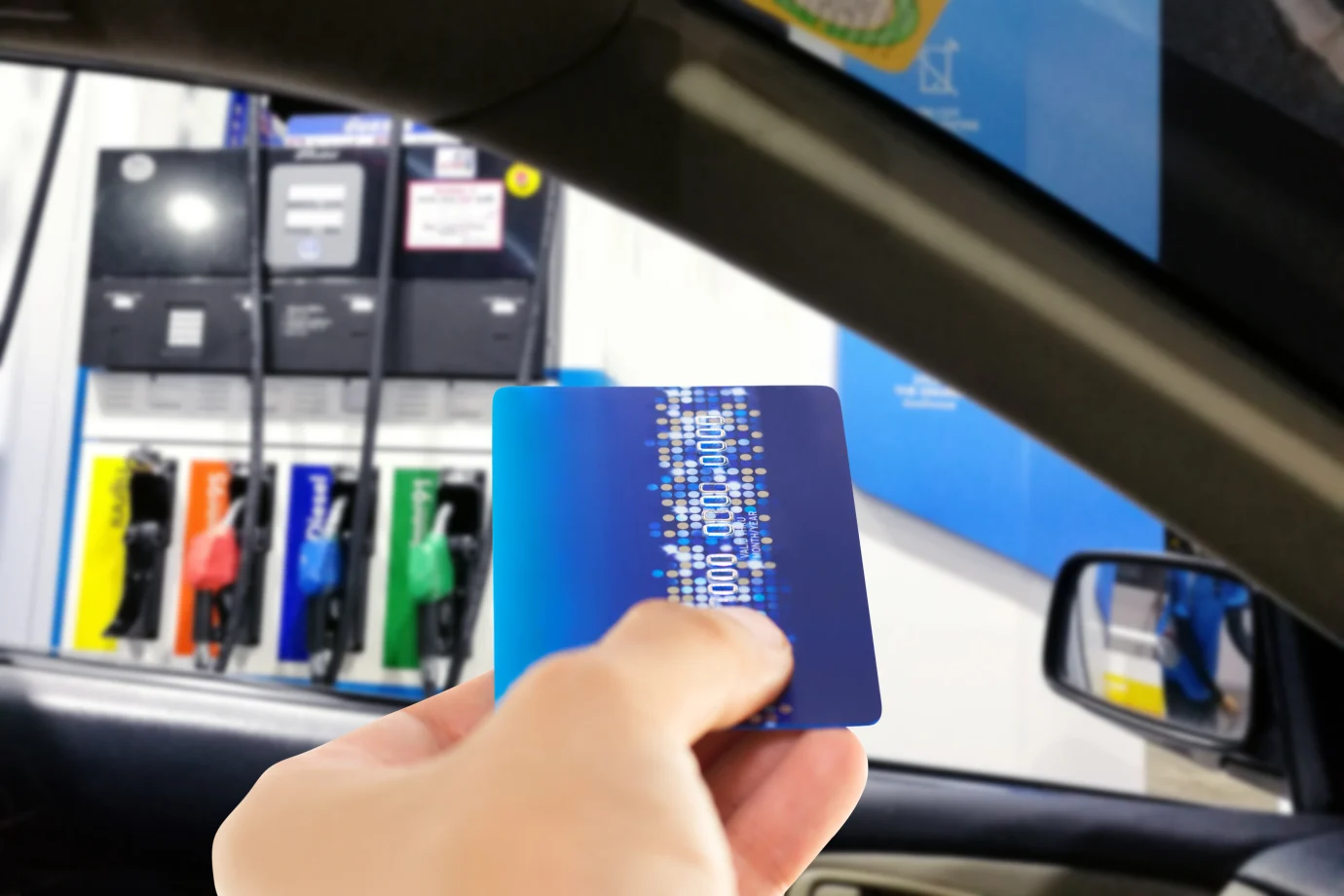
Fuel cards, sometimes called fleet cards, are specialized payment tools designed specifically for vehicle-related expenses. Unlike personal credit or debit cards, fuel cards are linked to specific vehicles or drivers and often include restrictions on where, when, and how they can be used. By
integrating fuel cards into fleet operations, companies gain greater control over fuel purchases. Each transaction is recorded, providing detailed data that can be monitored in real-time or through reporting systems. This makes it much easier to identify unusual spending patterns and intervene when necessary.
Setting Purchase Limits to Control Costs
One of the most effective ways fuel cards help reduce unauthorized spending is by allowing managers to set purchase limits. These limits can be based on factors such as the amount of fuel per transaction, daily or weekly caps, and specific fuel types. By restricting how much a driver can spend at a given time, companies minimize the risk of excessive or personal fuel purchases. This structured control not only reduces financial leakage but also encourages responsible fueling practices among drivers.
Restricting Fueling Locations for Enhanced Security
Another key feature of fuel cards is the ability to restrict fueling to approved locations. Companies can configure cards to work only at selected gas stations or fuel networks. This ensures that drivers cannot fill up at unapproved outlets, which is often a source of unauthorized spending. By controlling the location of fuel purchases, fleet managers can safeguard against fraudulent activity and ensure that fuel expenditures align with operational needs.
Real-Time Transaction Monitoring
Fuel cards provide access to real-time transaction data, which is invaluable for preventing unauthorized spending. Managers can instantly see when, where, and how much fuel is purchased, enabling immediate detection of unusual patterns. For example, if a vehicle that typically refuels once a day suddenly records multiple transactions at different locations, the system can flag it for review. This proactive approach allows companies to address potential issues before they escalate into larger financial problems.
Detailed Reporting for Accountability
In addition to real-time monitoring, fuel cards generate detailed reports on fuel usage. These reports include information such as driver ID, vehicle number, fuel type, volume purchased, and transaction time. Having access to this level of detail promotes accountability, as drivers know their fuel purchases are being tracked. Over time, reporting data can reveal trends and identify areas where policy adjustments are needed. This transparency reduces opportunities for misuse and helps establish a culture of responsible fuel management.
Customizable Controls for Individual Drivers
Fuel cards often allow customization on a per-driver basis. Each driver’s card can have unique restrictions, such as daily fuel limits or approved fuel types. This is particularly useful for fleets with diverse vehicles, as heavier vehicles may require more fuel than lighter ones. By tailoring controls to individual drivers and vehicle types, companies ensure that fuel spending is aligned with operational requirements while minimizing the risk of unauthorized use.
Reducing Cash Handling Risks
Using fuel cards also diminishes the need for cash transactions. When drivers rely on cash, there is always a risk of misuse or misreporting. Fuel cards provide a digital alternative that records every purchase electronically, eliminating ambiguity. Reducing cash handling not only prevents theft but also streamlines accounting and reconciliation processes. Managers no longer need to track receipts manually, as all transactions are automatically logged and easily auditable.
Enhancing Compliance with Company Policies
Fuel cards serve as a tool for enforcing company fuel policies. By setting clear spending limits, approved locations, and transaction types, organizations ensure that drivers comply with established rules. Fuel cards act as a built-in enforcement mechanism, reducing the reliance on manual oversight. Employees are less likely to attempt unauthorized purchases because the system itself prevents them from doing so, creating a more disciplined and efficient fueling process.
Supporting Fraud Prevention Efforts
Fraud prevention is another critical benefit of fuel cards. With features such as PIN authentication, driver-specific cards, and transaction alerts, companies can significantly reduce the likelihood of fraudulent activity. Any attempt to misuse the card can trigger an alert, enabling immediate action. In addition, historical transaction data can be analyzed to detect patterns that suggest abuse, providing managers with tools to prevent fraud proactively rather than reacting after losses have occurred.
Simplifying Reconciliation and Auditing
Fuel card systems simplify financial reconciliation and auditing processes. Traditional methods of tracking fuel expenses, such as paper receipts or manual logging, are time-consuming and prone to errors. With fuel cards, all purchases are automatically recorded and categorized, making it easier for accounting teams to reconcile invoices and verify that expenditures are legitimate. This efficiency reduces administrative burdens and ensures that companies maintain accurate financial records.
Encouraging Responsible Fueling Behavior
Finally, fuel cards encourage responsible behavior among drivers. Knowing that fuel purchases are monitored and controlled, drivers are more likely to follow company policies and avoid unnecessary spending. Over time, this fosters a culture of accountability and efficiency, where each driver understands the importance of proper fuel management. By aligning individual behavior with organizational goals, fuel cards contribute to a more disciplined and cost-effective fleet operation.